Archive for May, 2011

How Long Should You Hold Hatha Yoga Poses?

Tuesday, May 31st, 2011

yoga teacher trainingBy Dr. Paul Jerard, E-RYT 500

Many practitioners of Hatha Yoga often wonder how long each pose should be held. During the process of holding Yoga poses (asanas), there is actually no definitive amount of time that should be applied to each move. The asana should be held as long as it is comfortable and does not cause any pain or discomfort. In addition, it should be quite easy to breathe deeply and fully while holding each Yoga pose.

There is a misconception that pain should be felt during these poses. However, it is best for the person, who is practicing, to only hold them as long as there is no pain, and they are fully comfortable. As long as your body is comfortable, the asana can be held for minutes at a time. In fact, for restorative purposes, it is recommended to hold the poses for intervals of 60 seconds, while deep breathing is practiced. Deep breathing helps open up the ribs and helps stretch the spine.

Another way to determine how long to hold the position is to breathe in and out, up to five times during the process of holding an asana, but only if the position can be held without discomfort. Remember, the main focus is to be able to accomplish the pose while maintaining a comfortable position. Understanding safety during physical Yoga practice is vital to accomplishing these asanas, without causing any damage to the body. It is crucial to understand that Hatha Yoga is not a race, and taking the time to do the asana correctly is much more important than holding a pose for a long amount of time.

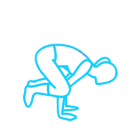
There are some asanas that are not meant to be done for minutes at a time. It is not always true that holding a pose for an extended amount of time is better. For example, the Peacock Pose (Mayurasana), the Eagle Pose (Garudasana), and the Crow Pose (Kakasana), are asanas that might not be executed for very long time, due to their ability to cause internal or external strain.

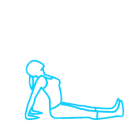
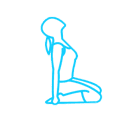
All of the meditative poses, however, can be held for longer periods of time, without any complications. For these types of postures, it is actually beneficial to retain the asana without needing to take a break. These poses include the Easy Pose (Sukhasana), the Corpse Pose (Shavasana), and the Thunderbolt Pose (Vajrasana). Asanas are meant to strengthen the mind and spirit, while toning the body, in a safe progressive manner.

© Copyright 2011 – Aura Wellness Center – Publications Division

To see our selection of Online Yoga teacher training courses, please visit the following link.

http://www.aurawellnesscenter.com/store/

FREE Yoga Report. FREE Yoga Newsletter. FREE Yoga Videos. Free Podcasts. Bonus: Free Yoga e-Book, “Yoga in Practice.”

FREE CONTENT: If you are a Yoga Teacher, Yoga studio, blogger, e-zine, or website publisher, and are in need of quality content, please feel free to use my blog entries (articles). Please be sure to reprint each article, as is, including the resource box above. Namaste!

THYROID GLAND AND SARVANGASANA

Monday, May 30th, 2011

yoga teacher certificationBy Dr. Rita Khanna

The thyroid gland is a butterfly shaped, pinkish-colored gland, situated in the neck in front of the trachea. It does not weigh more than twenty grams. The daily production of thyroid hormones is less than 1 / 2800000 grams. The thyroid is a great center of energy source.

The prime function of the thyroid gland is to control metabolism. As the bellows of a black smith pushes the air to maintain fire, in the same way thyroid also maintains appetite (Jatharagni). The energy production, from food, occurs by the action of thyroid hormones. If there is little dysfunction of the thyroid gland, or little imbalance in thyroid hormones, our condition deteriorates. The face may get swollen; a loss of interest, sadness, and dejection may disturb the life. A little increase in the hormones may increase appetite, and it results in excessive food intake; but body weight decreases. It is because of the rapid digestion of food and increase in metabolic rate. The eyes become prominent and the eyelids may not cover the eyeballs properly. The person may become irritable. His mental condition may be like that of a mentally challenged person. It also leads to the increase in heart rate, palpitations, and irregular heartbeats; and may result in death.

The thyroid gland is similar to a small chemical plant – like other endocrine glands of our body. It takes essential elements from circulating blood and synthesizes hormones. The daily requirement of iodine is 1 / 5000 gram. It looks like a negligible amount, but one should not under estimate it. A little imbalance in it results in madness or a child-like behavior. The elderly person may lose physical strength, become dejected, and depressed.

From the digestive system, iodine is obtained by the thyroid gland, in the form of iodide. One of the many enzymes, present in the thyroid gland, makes iodide to get attached with the amino acid known as tyrosine. Thus, two main hormones of the thyroid gland are synthesized. The molecules of the hormones get bound with the protein, and through the blood, it is distributed in the whole body for action.

The importance, and the capacity of the thyroid, can be clearly seen and understood because its hormones make every cell of the body active. For that, the essential elements should reach the thyroid gland in proper form, and in time, for normal functioning of the gland. In addition, it is also important to see that the balance of the thyroid hormones remains normal, which keeps the body fit. The pregnant ladies should have this hormone in excess of the normal amount. Deficiency of thyroid hormones, at the time of birth, results in thick lips, a flat nose, and short stature of the child.

Hypothalamus is an important organ related to thyroid function and is situated in the brain. It activates the pituitary gland. Then, the pituitary gland releases a thyroid- stimulating hormone, thyrotropin, and sends it to the thyroid gland and the thyroid releases its hormone, which is used as energy needed for our daily routine activities. If there is excessive synthesis and release of thyroid hormone, there is inhibition of the hypothalamus, and thereby, the pituitary gland will be inhibited. Therefore, the thyroid gland will not be stimulated to release its hormones. If pituitary has released its hormones in excess, due to system disorder, hyperthyroid status will result, which requires urgent treatment. The thyroid gland has to synthesize and release extra hormones during various problems of an individual’s life, such as social and economical, a family member’s death, business crises, accidental injury while driving, major surgery of family member, family disputes arising every now and then, etc. The thyroid gland has to release hormones to maintain mental balance, as well. In such circumstances, the stressed brain stimulates the hypothalamus, which, in turn, stimulates the pituitary gland; and then the pituitary will stimulate the thyroid gland to work more.

become a yoga teacherThe problem starts when the iodine level decreases in the body. There is a possibility of increasing the weight of the thyroid gland from 28 grams to hundred or two hundred grams, due to an inadequate supply of iodine to the thyroid gland. It is not immediately fatal, but due to an enlargement of the thyroid gland, the person looks strange. It may cause difficulty in breathing if there is severe enlargement of the gland.

Sarvangasana (The Shoulder Stand) is the ideal Asana for most thyroid gland problems. If you are overactive, it tends to reduce secretion; and if you are under active, it tends to release more thyroid hormones. This is achieved by improving the general health and function of the gland. It can be done in the following way:

METHOD OF SARVANGASANA

• Lie down on the back, on a folded blanket, with legs straight and feet together. Place the arms by the sides of the body, with palms facing down. Relax the entire body and mind. To begin with, gently open your eyes.

• Slowly inhale deeply. Press the hands and lift both legs simultaneously. Then, lift the hips, and then the back. Support the body with both hands. Hands should come down, as close as possible, to the scapula (behind the rib cage).

• The chin should touch the upper border of the sternum. Bring the chest towards the chin, and not the chin towards the chest.

• Keep the body straight, the feet joined together, and stretch the feet upwards towards the sky. The whole body should remain straight.

• Breathing should be normal.

• Do it for twenty seconds, in the beginning. Then. it should be practiced for one and a half minutes to five minutes. Stay in this position as long as possible, with comfortable, closed eyes.

• While returning from the vertical position, first take the legs towards the head. Keep the hands on the floor to maintain the balance.

• After taking the support by the hands, first bring the back, then lower back, then hips, and legs, up to the heels on the ground.

• Don’t do this in haste, while lifting or bringing the legs down, and don’t bend the knees.

• After bringing the body back to the supine position, take rest in Shavasana.

CAUTION

The following persons should not try to perform Sarvangasana:

Children of less than twelve eyes of age, persons having high myopia, persons having uncontrolled blood pressure, even with medicines, those having cervical spondylosis, pregnant ladies, persons with problem of myocardial infarction, mental instability, persons having ear discharge or perforated ear drum.

BENEFITS

Sarvangasana provides benefits in the following way:

In Sarvangasana position, the blood circulation is especially centered towards the thyroid gland. The body position is topsy-turvy, so there is no difficulty for the heart to pump the blood towards the brain, since it automatically flows towards the brain. This position has beneficial effects on the two main parts of the body; these are the thyroid and parathyroid glands, and cervical vertebra. The thyroid and parathyroid glands have effects on functions of respiration, blood circulation, digestion, excretion, and nervous system. When these glands function properly, the other above-mentioned systems function normally. Therefore, this Asana is called, Sarvangasana, as it takes care of all these functions.

SOME OTHER ASANAS AND PRANAYAMA

Matsyasana, Halasana, Simhasana, Surya Namaskar, Pawanmuktasana, Yoga Mudra, Neck Exercise, Omkar, Bhramari, Nadi Shodhana, Ujjayi Pranayama, Khechari Mudra, and Jalandhara Bandha all exert a balancing and stimulating influence on the thyroid gland. While doing these practices, focus your mind on the throat, the effects will be more. If you are not confident of any of the exercises, please ask your instructor for guidance.

CONCLUSION

Balancing of the emotions, and giving a suitable outlet for their expression, is an important part of Yoga therapy for thyroid disease. Yoga-Abhyasa (practice) and mental exposure will give you a boon of perfect, happy, and composed health. The three-pronged approach of Yoga-Abhyasa, a specialist doctor’s advice, and a positive frame of mind will cure your thyroid complications completely, and you will live healthy thereafter.

AUM SHANTI

If you feel inspired by this article, feel free to publish it in your Newsletter or on your Website. Our humble request is to please include the Resource as follows: -

Courtesy: Dr. Rita Khanna’s Yogashaastra Studio.

A popular studio that helps you find natural solutions for complete health.

Also conducts online Yoga Courses & Naturopathy Guidance.

Mobile: + 919849772485

Ph:-91-40-65173344

Email: yogashaastra@gmail.com

Website: www.yogashaastra.in

Dr. Rita Khanna

Dr. Rita Khanna is a well-known name in the field of Yoga and Naturopathy. She was initiated into this discipline over 25 years ago by world famous Swami Adyatmananda of Sivananda Ashram in Rishikesh (India).

She believes firmly that Yoga is a scientific process, which helps us to lead a healthy and disease-free life. She is also actively involved in practicing alternative medicines like Naturopathy. Over the years, she has been successfully practicing these therapies and providing succour to several chronic and terminally ill patients through Yoga, Diet and Naturopathy. She is also imparting Yoga Teachers Training.

At present, Dr. Rita Khanna is running a Yoga Studio in Secunderabad (Hyderabad, India).

How to Lengthen Your Spine through Yoga Moves

Sunday, May 29th, 2011

yoga certificationBy Dr. Paul Jerard, E-RYT 500

The spine is one of the most important parts of the human body. The nervous system gathers, stores, and controls the body’s information through this key highway. The spine allows the body to analyze itself and initiate the proper response, which the central nervous system sends to the other parts of the body. When the spine is misaligned, it can throw the entire body into disarray. Through Hatha Yoga postures (asanas), you can lengthen, strengthen, and stretch your spine back into alignment, which brings one’s back into a proper state of health.

Many people do not realize that the spine can stretch and lengthen in two directions. The sacrum and the tailbone can move downwards while the lumbar spine and everything else extends upwards. By learning the natural curves of these two separate directions, the spinal column can be stretched to its maximum length.

Back injuries are the most common type of work-related injury. It may come from lifting a heavy object too quickly or without proper form. Additionally, one may experience pain, as a result of sitting with bad posture, or from sitting for long periods of time. Too many people think that this spinal pain is something that they just have to push through. In cases where there has not been extreme damage, Yoga may be extremely helpful in alleviating this pain, while preventing it from occurring regularly in the future.

Practicing Yoga poses, in order to stretch the spine, works in a multitude of ways. First, the poses strengthen the muscles around the spine, preventing injury in the future. Second, because the spine itself is more limber due to the stretching, the blood flow to the area is increased. This decreases the stress and pain within the area.

Suggested Yoga Postures for Spinal Health:

Forward Bend

Camel Pose

Half Chair Pose

Fish Pose

Seated Twists

Triangle Pose

Proper instruction, from a certified Yoga teacher, is advised before practicing independently.

Finally, Yoga that focuses on the back and spine promotes a healthier posture. In some cases, sitting too long can cause serious compression on the entire spinal structure. What this means is that people need to get away from sitting before major skeletal problems occur.

Problems, due to sitting too long, happen slowly; and most people do not realize it is happening until they begin to feel pain from it. After a couple weeks or months of Hatha Yoga sessions, it is possible that you may even gain a little height from stretching your spine.

When performing Yoga poses to stretch your spine, be sure to use caution. You do not want to push your body passed its limits. When Hatha Yoga movements and postures are performed responsibly, this gives a second life to one’s spinal health.

© Copyright 2011 – Aura Wellness Center – Publications Division

To see our selection of Online Yoga teacher training courses, please visit the following link.

http://www.aurawellnesscenter.com/store/

FREE Yoga Report. FREE Yoga Newsletter. FREE Yoga Videos. Free Podcasts. Bonus: Free Yoga e-Book, “Yoga in Practice.”

FREE CONTENT: If you are a Yoga Teacher, Yoga studio, blogger, e-zine, or website publisher, and are in need of quality content, please feel free to use my blog entries (articles). Please be sure to reprint each article, as is, including the resource box above. Namaste!

How Can Yoga Help to Release Shoulder Tension?

Saturday, May 28th, 2011

yoga teacher trainingBy Dr. Paul Jerard, E-RYT 500

Whether it is from sitting at the computer all day, a difficult workout routine or just day-to-day activity and stressors, many people hold tension in their shoulders. It may feel like the side of the neck is actually getting shorter. In fact, it is often the levator scapulae, the muscle that attaches the shoulder blades to the neck, tensing up and pulling in an uncomfortable manner. However, this tension can be alleviated and eliminated through a Yoga routine.

Yogic Breathing – Pranayama

The breathing pattern changes when people are experiencing physical or mental stress. The breathing usually becomes more shallow and tense. Instead of breathing from the belly, people will start to take quick breaths from the upper chest. The result is oxygen deprived muscles, which tire quickly and tense up often.

While this will eventually occur to all the muscles in the body, it is especially true for the muscles in the chest, and shoulders, because they are used for this improper breathing technique. By changing the breathing pattern through Yogic breathing (pranayama), even for just a half an hour a day, those muscles will receive a break. With regular Yoga practice, the body can also retrain itself to breathe this way throughout the day.

Yoga Posturing – Asana

Yoga poses (asanas) work to release tension in the shoulders in a couple of different ways. First, certain Yoga poses stretch the muscles around the shoulders. By stretching the muscles, the shoulders can return to their original state of relaxation, and even gain some extra length, to prevent future tension. Postures, which will relax the muscles in the shoulder area, are Extended Child’s Pose, Half Downward Dog Pose, and Ardha Utkatasana (Half Chair Pose).

Strengthening types of Yoga asanas, such as Downward Dog Pose and Dolphin Pose, balance and stabilize the muscles around the shoulders. By strengthening the muscles, injuries can be prevented. Sometimes, people experience pain in their neck and shoulders and attribute it to stress, when it is actually a tear or joint problem. In such a case, medical advice should be sought. Non-surgical solutions may be possible, but one cannot forcefully exercise through joint problems.

Conclusion

Those, with chronic shoulder tension, can benefit greatly from incorporating Yoga into their daily routine. Some choose to take time out of their day to do a complete session before or after work, while others perform various postures throughout the day. Over time, Hatha Yoga practice will create a noticeable difference in the flexibility and strength within the neck and shoulders. With a little more awareness, one will improve overall posture, which will, in turn, reduce pains and aches.

© Copyright 2011 – Paul Jerard / Aura Wellness Center – Publications Division

To see our complete selection of Yoga teacher training courses, please feel free to visit the following link.

http://www.aurawellnesscenter.com/store/Teacher-Courses/

FREE Yoga Report. FREE Yoga Newsletter. FREE Yoga Videos. Free Podcasts. Bonus: Free Yoga e-Book, “Yoga in Practice.”

FREE CONTENT: If you are a Yoga Teacher, Yoga studio, blogger, e-zine, or website publisher, and are in need of quality content, please feel free to use my blog entries (articles). Please be sure to reprint each article, as is, including the resource box above. Namaste, Paul

How Yoga Moves Can Alleviate High Blood Pressure

Friday, May 27th, 2011

yoga teacher trainingBy Dr. Paul Jerard, E-RYT 500

Stress has an impact on the emotional, physical, and mental wellbeing of an individual. This can increase the risk of developing high blood pressure or hypertension, in addition to other factors. Hypertension results when there is an increased amount of pressure in the arteries of an individual. Yoga techniques, such as relaxation and deep breathing, can help alleviate high blood pressure due to the positive effects on the individual.

This is not always the case, but blood pressure often rises as a result of the fight-or-flight response being activated. The impact of chronic stress tightens the muscles and constricts the blood vessels, which leads to high blood pressure. Regular practice of any form of Yoga can relax the muscles and reverse the impact of increased pressure in the bloodstream.  In addition to the consistent practice of Yoga having a direct impact on reducing blood pressure, this practice can help reduce the risk factors of developing hypertension. One risk factor is obesity. Regular Hatha Yoga exercise, and a Yogic lifestyle, can contribute to weight loss, which reduces the hypertension.

The practice of Yoga breathing techniques (pranayama) can help in relaxing a person, which reduces the effects of stress on the body, as more oxygen enters the bloodstream. Deep breathing can then contribute to a decrease in blood pressure. An intentional focus on a Yoga practitioner’s breathing keeps the mind off stressful events, which leads to decreased anxiety and stress. The alternative nostril breathing technique helps to relax the body, and mind, as a person inhales through one nostril – followed by the exhalation out of the other nostril.

The practice of Yoga poses can contribute to deep states of calm and inner peace. When a person alternates between tightening and relaxing of the muscles, the body becomes in tune with the relaxed mental state. This practice leads to a focus away from worrying.  Yogic breathing is also connected directly with the Yoga poses, which relaxes the body and mind further. Yoga poses, which can be helpful in alleviating hypertension, are: Half downward dog, Half spinal twist, Cat pose, and the Knees-to-Chest pose.

Yoga moves, such as the Sun Salutations (Surya Namaskar) have an energizing and relaxing effect on the body, which decreases the effects of stress on the body, including hypertension. As a person focuses on the breathing and sequence of movement, stress is released constructively.  Sun Salutations are recommended during the morning hours for many reasons. If we view these Yoga exercises similar to the Sun Salutations, only from a medical and scientific viewpoint, we lose sight of the entire purpose.

Yet, for the sake of scientific skeptics, let’s indulge in analyzing Yogic exercise with sequential movements for therapeutic purposes. The movement of Sun Salutations, Vinyasa Yoga, and Lunar salutations (Chandra Namaskar) has a positive effect on the entire body – by increasing the oxygen flow to the bloodstream.  At the same time, any movement, which is performed on a regular basis, for two or three times a week, is not enough to promise a serious “calorie burn.” However, as Yoga becomes a lifestyle, the practitioner is bound to make healthy choices, due to an internal change, which occurs within the mind. This change can be classified as Yoga in practice.

© Copyright 2011 – Paul Jerard / Aura Wellness Center – Publications Division

To see our complete selection of Yoga teacher training courses, please feel free to visit the following link.

http://www.aurawellnesscenter.com/store/Teacher-Courses/

FREE Yoga Report. FREE Yoga Newsletter. FREE Yoga Videos. Free Podcasts. Bonus: Free Yoga e-Book, “Yoga in Practice.”

FREE CONTENT: If you are a Yoga Teacher, Yoga studio, blogger, e-zine, or website publisher, and are in need of quality content, please feel free to use my blog entries (articles). Please be sure to reprint each article, as is, including the resource box above. Namaste, Paul

How Often Should Beginners Practice Yoga?

Thursday, May 26th, 2011

yoga teacher trainingBy Dr. Paul Jerard, E-RYT 500

“How often should I practice Yoga?” is one of those questions most frequently asked of Yoga instructors. Like other theories involving the practice, answers vary from “as often as possible” to “once or twice a week.” Not only do both sides of the debate have valid concerns, but every student has individual needs, as well. In the end, perhaps the best reply may be “whatever works for you.” However, it is always a good idea to consider all of the facts before making a decision – and Yoga is no exception.

At least one online source recommends that new students practice Yoga as much as five or six days for the first few weeks – unless there are health limitations. This theory operates on the assumption that intensive initiations to the practice will catapult the body toward greater changes in less time; but is that what Yoga really is? To some beginners, this sounds like the old “no pain, no gain” philosophy espoused in middle school gym class. After all, Yoga is supposed to be about patience and awareness – not a mad dash to the finish line.

On the other end of the spectrum, instructors lean toward the concept of Yoga as a personal practice. Every student has his own goals, his own needs, and his own budget. Besides, people practice for a variety of different reasons, ranging from spiritual to medical. Some people want to quiet their minds, and others want to be more agile. Yoga, after all, is a way of living that cannot be “pigeon holed” into a mandated time frame.

The most important point to remember, when starting a Yoga practice, is to actually follow through with the endeavor. Chances are – the person who tries to practice every day, will burn out before establishing a healthy routine – much like the old story of the tortoise and the hare. Establishing a new habit takes time and diligence, but that is what Yoga is all about, isn’t it?

Classes offer accountability and assurance that a wide variety of techniques are being performed correctly, but Yoga practice can take place anywhere. Although the general consensus seems to favor two or three days per week for beginners, it is also important to realize that even a little Yoga is better than no Yoga at all. Not being able to adhere to someone else’s ideal should never keep students from attempting Yoga and enjoying its benefits.

© Copyright 2011 – Paul Jerard / Aura Wellness Center – Publications Division

To see our complete selection of Yoga teacher training courses, please feel free to visit the following link.

http://www.aurawellnesscenter.com/store/Teacher-Courses/

FREE Yoga Report. FREE Yoga Newsletter. FREE Yoga Videos. Free Podcasts. Bonus: Free Yoga e-Book, “Yoga in Practice.”

FREE CONTENT: If you are a Yoga Teacher, Yoga studio, blogger, e-zine, or website publisher, and are in need of quality content, please feel free to use my blog entries (articles). Please be sure to reprint each article, as is, including the resource box above. Namaste, Paul

Chair Yoga for Diabetes

Wednesday, May 25th, 2011

yoga teacher courseBy Dr. Paul Jerard, E-RYT 500

According to the Centers for Disease Control and Prevention, diabetes is quickly reaching epidemic levels. Some schools of thought estimate, 1 out of 3 Americans will have the disease at some time in their lives; and it will shorten their life spans by 10 to 15 years. Treatment for diabetes consists of three major components: diet, exercise, and medication. Proper diet and exercise are crucial for prevention and management, but chronic complications can inhibit physical activity.

Studies have confirmed the effectiveness of Yoga in the fight against diabetes, but not everyone can participate in traditional classes. Chair Yoga, a gentle practice using chairs for sitting or support, is gaining popularity with disabled and elderly participants – even those in wheel chairs. Offered in studios, senior centers, gated communities, and other recreation centers, this alternative provides the benefits of Yoga without the risky physical challenges.

In Chair Yoga for diabetes classes, emphasis is placed on poses, breathing techniques, and meditation. Due to the fact that diabetics often have numbness or fatigue that affects balance or makes standing exercises risky, Chair Yoga is a very safe way to maintain health and prevent injuries.

Participants not only experience a state of well-being and improved mood, but they also target specific problems caused by the illness. While these mechanisms are still not completely understood, researchers have speculated that Yoga helps diabetics in the following ways.

Yoga for Diabetes Benefits

• Excess weight complicates diabetes, and Yoga helps to keep the pounds in check.

• By lowering stress, Yoga reduces the levels of cortisol, adrenaline, and glucagons in the body, which stabilizes insulin production.

• Muscle relaxation improves circulation – a problem for many diabetics – and enables the muscles to increase their uptake of insulin, reducing blood sugar levels.

• Poor circulation is common in diabetes; and Yoga pumps fresh oxygen into the blood stream, oxygenating the blood flow and cleansing the lymph system.

• Yoga postures that stretch or massage the pancreas may enable it to do its job more effectively.

• Yoga lowers blood pressure and cholesterol – two factors that make the treatment of diabetes more difficult.

Although diabetes varies in severity, many sufferers have ailments that limit their social and physical activities. Others are looking for ways to maintain good health and lessen the effects of the disease. Chair Yoga classes can become a place to share friendship and support, as well as to learn new ways of coping with a chronic illness. At the same time, Chair Yoga students are likely to practice posturing, exercises, breathing techniques and what they learn about a healthy Yogic lifestyle at home.

© Copyright 2011 – Paul Jerard / Aura Wellness Center – Publications Division

To see our complete selection of Yoga teacher training courses, please feel free to visit the following link.

http://www.aurawellnesscenter.com/store/Teacher-Courses/

FREE Yoga Report. FREE Yoga Newsletter. FREE Yoga Videos. Free Podcasts. Bonus: Free Yoga e-Book, “Yoga in Practice.”

FREE CONTENT: If you are a Yoga Teacher, Yoga studio, blogger, e-zine, or website publisher, and are in need of quality content, please feel free to use my blog entries (articles). Please be sure to reprint each article, as is, including the resource box above. Namaste, Paul

How to Improve Your Eyesight with Yoga

Tuesday, May 24th, 2011

yoga certification courseBy Dr. Paul Jerard, E-RYT 500

Over time, Yoga has proven remarkably beneficial for nearly every part of the body. However, the question lingers: “Can Yoga be used to actually improve eyesight?” Though solid research is lacking, there are at least three types of Yoga, which appear, at least circumstantially, to do just that.

Bates Method

Dr. William Bates, who died in 1931, was an American physician and ophthalmologist, who developed what is now called, the Bates Method for better eyesight. The method improves vision by relearning a supposed habitual strain to see. His theory, which proposes that the eye focuses, by elongating the eyeball, rather than by changing the power of the lens, was not upheld by his peers and remains unproven today.

Nonetheless, the founder and director of the Center and School for Self-Healing, in San Francisco, Meir Schneider, avows that the practice of consciously relaxing the eyes in a Yogic method, in accordance with the Bates Method, allowed him to see again after being pronounced blind at age 6. Schneider teaches Yoga for eyes, involving palming, massage, blinking, and shifting the eyes, and a number of happy students credit him with the return of vision they thought was gone forever.

Dahn Yoga

Dahn Yoga, from Korea, also offers exercises to strengthen the eyes and potentially improve eyesight. According to Dahn practitioners, the eyes are connected to the liver meridian, and exercises that stimulate the liver, help eyesight. According to the U.S. Dahn Yoga website, meridians, or energy pathways, for all organs flow through the abdominal area. By stimulating the abdomen, the energy center will develop. To stimulate and provide warmth in the dahn-jon (energy concentration in the abdomen), the practitioner should rub, press, and tap, the area around the ribs, on both sides. The liver, spleen, and gall bladder meridians are all focused in the area, and eyesight should improve.

Trataka or Drishti

Trataka, or the “uninterrupted gaze,” is a method that is said to cleanse the eyes and their passages. The technique is usually taught with a candle flame, but students may also use any item with a positive connotation. The center of the candle is the focus for the gaze, and complete awareness of the flickering nature of the candle is held.

The gaze is kept steady, and the eyelids are kept open, for as long as possible, without blinking. The practice stimulates the tear glands and tears appear after about 10 minutes, having a cleansing effect on the eyes. Eye rotations, and rapid eye movements, done without moving the head, can also be practiced, focusing on moving objects, such as one’s thumb. Trataka relaxes the mind; and as mental stress, headaches, and eyestrain are combined, the overall effect is improvement of vision.

© Copyright 2011 – Paul Jerard / Aura Publications

To see our complete selection of Yoga teacher training courses, please feel free to visit the following link.

http://www.aurawellnesscenter.com/store/Teacher-Courses/

FREE Yoga Report. FREE Yoga Newsletter. FREE Yoga Videos. Free Podcasts. Bonus: Free Yoga e-Book, “Yoga in Practice.”

FREE CONTENT: If you are a Yoga Teacher, Yoga studio, blogger, e-zine, or website publisher, and are in need of quality content, please feel free to use my blog entries (articles). Please be sure to reprint each article, as is, including the resource box above. Namaste, Paul

Yoga Techniques to Enhance Intelligence

Monday, May 23rd, 2011

yoga teacher trainingBy Dr. Paul Jerard, E-RYT 500

There are a variety of Yoga techniques that enhance intelligence and help one make intelligent choices. Yoga techniques, that enhance cognitive functioning of the brain, include inversion asanas that increase the circulation of new blood and oxygen into the brain. Yoga pranayama techniques, that help to quell anxiety, also support a Yoga practitioner in accurately accessing a situation, without the confusion of an anxious, racing, and overactive mind.

Additionally, Yoga asanas and meditation techniques, which demand a one-pointed focus, help a Yogi or Yogini to focus on one task as a time. This ability to focus supports an intelligent appraisal of a situation and enhances the practitioner’s ability to follow through on one task at a time in daily life.

The following inversion poses will turn your world upside down! Both of these Yoga asanas help to circulate fresh blood and oxygen all throughout the body, including the brain. With an increase of fresh blood and oxygen, the brain will function more efficiently and brain fogginess will be relieved – thereby, enhancing intelligence.

Legs up the Wall – Viparita Karani

In order to practice Legs up the Wall pose, place your Yoga mat up against a wall. Scoot your sit bones sideways against the wall, and then slowly raise your legs up the wall, in a perpendicular position, to the floor. This pose is very restorative in nature, and you will receive many of the same benefits of Shoulder Stand or Head Stand, without risking your neck. Stay in this pose for up to five or ten minutes, and then come down slowly, resting for a few minutes in fetal position.

Supported Shoulder Stand – Salamba Sarvangasana

Shoulder stand is a deeper and steeper inversion. Steep inversions are empowering. However, people with pre-existing neck problems, high or low blood pressure, a previous stroke, heart problems, epilepsy, detached retina, or glaucoma should consult their physician or specialist before attempting them.

To practice Shoulder Stand, place a folded blanket on your Yoga mat at shoulder height. Lie down on the blanket and make sure that your shoulders meet the edge of the folded blanket, but do not hang over the edge. Slowly, raise your legs up in the air and perpendicular to the floor. Support your torso with your hands at your lower back. Keep your arms tucked neatly into your sides. Extend your legs further up towards the ceiling. Hold Shoulder Stand for three to five minutes, or however long feels appropriate for you today.

When you are ready to come down, lower your legs slowly back down to the floor, as you roll out of the pose, vertebrae by vertebrae. Please do Fish Pose as a counter-pose after practicing Shoulder Stand. Fish Pose is performed by placing your hands, palms down, under your sacrum area, elbows tucked neatly into your sides, as you arch your torso up towards the ceiling, while you open your neck and throat area to the sky. Come down slowly and rest in Corpse Pose.

Both of these inversion postures will enhance intelligence, by circulating new blood and fresh oxygen throughout the entire body, including the brain. Pranayama Yoga techniques and other Yoga asanas, that lower anxiety levels and require great concentration and focus, will also enhance intelligence.

© Copyright 2011 – Paul Jerard / Aura Publications

To see our complete selection of Yoga teacher training courses, please feel free to visit the following link.

http://www.aurawellnesscenter.com/store/Teacher-Courses/

FREE Yoga Report. FREE Yoga Newsletter. FREE Yoga Videos. Free Podcasts. Bonus: Free Yoga e-Book, “Yoga in Practice.”

FREE CONTENT: If you are a Yoga Teacher, Yoga studio, blogger, e-zine, or website publisher, and are in need of quality content, please feel free to use my blog entries (articles). Please be sure to reprint each article, as is, including the resource box above. Namaste!  Paul

Yoga Asanas for Babies

Sunday, May 22nd, 2011

yoga teacher trainingBy Dr. Paul Jerard, E-RYT 500

Yoga moves (asanas) for babies are performed in partnership with an adult, usually the mother. A “Mommy and Me” Yoga class is a wonderful way for a baby and his or her mother to get to know each other, strengthen their bond, and participate in a gentle Yoga class that is beneficial for both of them. A close bond between mother and child has been well documented to help a new baby feel loved, safe, and nourished. Ultimately, a strong mother and child bond will help the newborn to thrive with deep feelings of love and security. A practice of Yoga asanas for mother and baby will nourish them both.

Yoga asanas for babies, are designed to support the growth and healthy development of the newborn, as well as enrich the continuous bonding process between a mother and child. Yoga postures will support the baby’s social, cognitive, and physical development. One of the main benefits of practicing Yoga asanas, with your baby, is that the experience of a concentrated amount of gentle touch from you, during the Yoga class, will help your baby to feel safe, secure, and deeply nourished. Baby Yoga movements are often supplemented with naps and infant massage. Both asanas and infant massages will help to develop a baby’s social skills, somatic awareness, and sensory perception.

Babies can be lead and supported in doing basic Yoga asanas, such as Child’s Pose and Dead Bug Pose. Instructions on how to do these poses can be found in the DVD section of your favorite store or online. Another great Yoga asana to do with your baby is to gently bring your baby’s knees into his or her chest two or three times. This will help to relieve any gas and support your baby’s healthy digestive process. Another very simple Yoga asana is to help your baby stretch out along the Yoga mat while applying very gentle massage movements along the spine. This Yoga pose will increase your baby’s circulation, enhance immunity, and relieve any muscular tension.

After a relaxing and nourishing Baby Yoga class, both you and your baby will be more deeply attached and relaxed. Even simple Yoga posturing techniques will help your baby to sleep better, alleviate any gastrointestinal distress, and will also help to lower his or her feelings of anxiety.

A feeling of being loved and safe will, in turn, boost your baby’s immunity level. As the bond between mother and child strengthens, your baby will also feel more peaceful and secure in this brand new world. Baby Yoga asanas are best learned, initially, from a professional Yoga instructor, to make sure that the appropriate safety guidelines are being properly followed.

Although we have covered the mutual benefits of Yoga for a mother and child, it should be noted that fathers, who become involved, will also notice the benefits of deep bonding. In fact, fathers who take the time to bond with their children, at an early age, will solidify their relationships throughout the test of time.

© Copyright 2011 – Aura Wellness Center – Publications Division

To see our selection of Online Yoga teacher training courses, please visit the following link.

http://www.aurawellnesscenter.com/store/

FREE Yoga Report. FREE Yoga Newsletter. FREE Yoga Videos. Free Podcasts. Bonus: Free Yoga e-Book, “Yoga in Practice.”

FREE CONTENT: If you are a Yoga Teacher, Yoga studio, blogger, e-zine, or website publisher, and are in need of quality content, please feel free to use my blog entries (articles). Please be sure to reprint each article, as is, including the resource box above. Namaste!