Archive for April, 2010

Deep Relaxation Yoga

Thursday, April 29th, 2010

By Mike E Lee


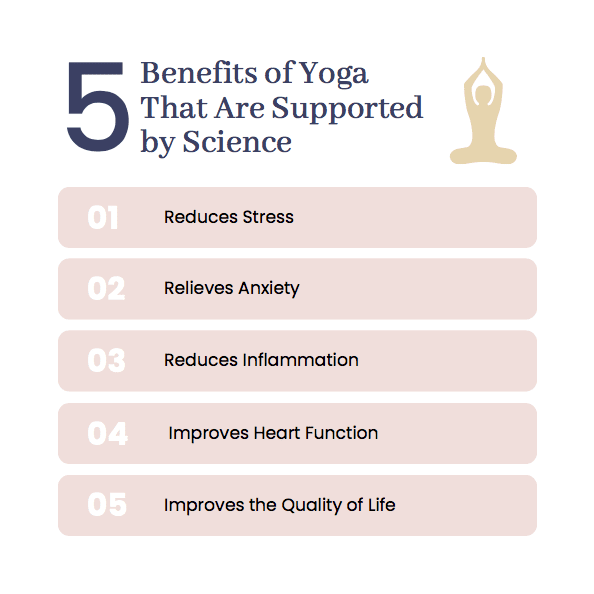
Yoga has been growing in popularity primarily because people are seeing the benefits of doing yoga on a regular basis. Many medical professionals are even telling patients how yoga may help with a variety of physical and mental issues. Deep relaxation yoga techniques and poses are helping a countless number of people deal with daily life pressures, stress and physical ailments.

What Stress Does to the Body

Stress and pressure of daily life can cause many problems. Stress brings on headaches for some and back pain for others. The muscles of the neck and back tense up and cause pain to radiate and interfere with daily life. Simple tension headaches can escalate into migraines if ways of relaxing are not practiced. When the body is stressed, blood pressure rises. This can lead to heart problems over time. Even asthma attacks and skin problems, such as eczema, can be aggravated by stress.

Stress can alter the activities of the brain. Over time, someone who functions with a high level of stress and no way to alleviate that feeling will notice memory problems, decreased learning ability and a decrease in hand-eye coordination. Stress can and will interrupt sleep, leading to fatigue. Also, the emotional toll of constantly feeling stressed may ultimately lead to anxiety disorders and depression.

Ways to De-Stress With Deep Relaxation Yoga

Yoga is the ideal method for decreasing stress and reversing its negative effects on the body and mind. Yoga itself is a technique that is geared toward giving individuals the tools to balance their lives and find harmony. It promotes healthy living and a healthy state of being.

Each individual may have to try different deep relaxation yoga techniques or poses to find what helps them the most. Not all postures will feel simple and easy for all to try. Therefore, regardless of physical capabilities or age, it is important to start small. Try poses and sessions geared toward beginners and slowly master the movements and breathing.

When it comes to using yoga as a means of stress relief, no component of deep relaxation yoga is more important than how you breathe. The depth and evenness of your breaths help you achieve a high level of oxygen in the blood and it helps you reach a meditative state mentally. First, find a focal point to center your mind on so you are not mentally cluttered or distracted. Then inhale for four counts, hold the breath for four counts and exhale for four counts as you hold the pose.

Breathing properly during deep relaxation yoga will slow your heart rate and lower your blood pressure. It even works to slow metabolism. When all of these systems in your body begin to slow down and relax and your mind is centered, you will immediately feel a balance and sense of relaxation.

If you master breathing techniques for deep relaxation yoga and increase your time holding poses, you will begin to feel a sense of relaxation even when you are not doing yoga. You take it with you after your session. For many, just knowing they have a set time to go inward and let their minds be still each day is simply enough to induce a sense of relaxation. This is particularly helpful if you have a busy or stressful job or home life.

Yoga breathing exercises will carry over to every aspect of your life and give you a better sense of harmony both physically and mentally.

Please click here for information about balance yoga.

Taking Yoga to Fight Stress and Blast Fat Away

Wednesday, April 28th, 2010

By Shone Wetson

Modern yoga classes are varied in types. There are hot yoga classes, as well as naked, general, and even therapy type classes. There is truly a practice for all types of people, whether you want to improve your body or you are just starting out.

The many benefits of taking a class include stress relief, weight loss, increased flexibility, and becoming in tune with your mind, body, and soul. There are multiple positions and angles to take when doing yoga, so it is truly designed for all types of people.

How much do classes cost?

In the United States classes can become costly. They range from $20 a month to well over $300 a month. It truly depends on where you go and what type of classes you take. City and state also play a role in the cost. Your teacher’s expertise can make prices more costly as well. If the classes are included in your gym membership they can be much cheaper! You basically need to look around to find the best prices.

How soon do I see results from taking Yoga classes?

You can see results in as little as one week. You may feel more energized, your muscles will feel tighter, and you will see improved sleeping patterns. After a few more weeks you will notice even more muscle development and less overall body fat. Depending on your size when starting you may see dramatic results faster or slight changes to start with.

Where can I take classes?

Most gyms or fitness clubs have classes. You can also go to a specialty studio instead, if that is what you prefer. There are numerous places to take classes and something for everyone. If you prefer to learn in your own home, there are many TV shows with demonstrations as well as fitness DVDs. It is recommended to learn before doing it on your own, so you can avoid injuries.

What type of Yoga is right for me?

It depends on what your overall goals are. If you want to slim down, a general yoga class provides you with all that you need. If you are pregnant or recovering from surgery, “gentle yoga” is best for you. These classes are relaxing and slow paced, so that those with injury or limitations can still get the benefits they need.

If you are ready to step it up a notch, Hot yoga, or Bikram, are excellent choices. They involve high temperature studios, so they are only recommended for those that already have a good fitness level. These classes allow more frequent water breaks. Please do not take a challenging yoga class if you are not strong enough to go through the entire session safely.

Overall this fitness practice is excellent for the whole body, inside and out. It is worth it to try it at least once if you haven’t already!

To discover more free information on yoga and how it can help you.

Corporate Yoga

Wednesday, April 28th, 2010

By Mike E Lee

Today’s corporate world is a stress infused ticking time bomb. The average corporate worker works almost 50 hours a week and suffers a wide range of stress induced physical health and mental health issues. Corporate yoga is becoming a popular way for the corporate world to heal itself. Yoga instructors can come to the workplace and conduct sessions to meet the needs and availability of each company. It is also an affordable way to improve the health and welfare of workers.

Yoga Basics

Yoga is the ancient practice of movement and stretching with meditative breathing to enhance calmness and flexibility. Through a series of asanas, or poses, flexibility and strength are improved. Holding each pose and breathing deeply and evenly help the internal systems function better. Everything from the digestive system, respiratory system and circulatory system improves. Mentally, the fluid movement and calming breaths provide peace and focus. Yoga has effectively helped people physically, mentally and emotionally for over two thousand years. Corporate yoga simply brings those ancient and proven techniques to the workplace.

Regardless of age or skill level, yoga in the workplace can be done. The most desirable aspect of yoga in the workplace is the realization that it is a low impact and moderately easy way to exercise. The poses and duration of session can be easily adjusted to meet any skill level. It is not intimidating or exhausting. As you try each pose and increase the time you can hold it, you improve and master yoga one asana at a time.

What Corporate Yoga Can Accomplish

Many man hours are lost due to stress. Work place stress causes disease, lost productivity, and negative energy. Most corporations have jobs which are highly sedentary. This leads to back pain and carpal tunnel syndrome. These all increase a company’s incidents of work related benefit expenses. It also leads to loss of employees. The corporate world is also highly competitive, sometimes pitting employees against each other. This leads to hostility and negative energy. This added pressure manifests itself physically and takes a harsh toll on a business over time. Corporate yoga in the workplace can combat all of this and more.

Yoga in the workplace improves overall employee health. By strengthening muscle tone and flexibility, employees are healthier and will naturally take better care of themselves. This translates to a decrease in sick time. The relaxing effects of yoga reduce stress and anxiety, making workers naturally happier and more productive. Yoga can combat the corporate stressors that cause insomnia and hypertension also. Corporate yoga cuts down on the tension that can lead to employee headaches and migraines, along with greater risk for heart problems. Yoga also increases mental alertness and combats fatigue, which takes a toll on productivity.

Having yoga in the workplace, whether after hours or during breaks and lunch times, shows employees they are valued and appreciated. They will feel like their individual mental and physical health matters to the company. This improves morale and the social workings of a company. This feeling of basic calm and happiness leads to more creative and innovative workers. It can work as a way to team build and improve interpersonal skills. Corporate yoga can bring a sense of balance to a company that only works to make it a stronger healthier place to work.

Please click here for more information about yoga: Kundalini Yoga, Vinyasa Yoga.

Hatha Yoga

Tuesday, April 27th, 2010

By Disele Long

Hatha yoga is the most common and basic yoga practiced in the Western world. Originating in India over two thousand years ago, yoga serves to clear the mind, instill a sense of peace, awaken self awareness and help the physical body maintain strength and flexibility. The “ha” translates to sun and the “tha” translates to moon. This represents the duality of our minds and body and how all of our opposites can work together. Both the dualities of meditation and exercise are explored and enhanced through Hatha yoga.

Regular yoga practice can increase your strength and flexibility. Each time you begin, your blood begins to flow better and becomes more oxygenated. This allows you to stretch and go deeper into each pose every time you try it.

Types of Asanas (Poses)

There are several types of yoga poses that incorporate the hatha style of yoga. They can be done easily with practice and patience as hatha yoga is more for beginners. The types of poses, or asanas, are:

• Seated

• Twists

• Inversion

• Balancing

• Core strengthening

• Back bending

• Forward bending

• Side bending

• Hip opening

• Prone yoga poses

• Supine yoga poses

• Standing yoga poses

Specific Poses

The specific poses of hatha yoga serve to physically improve the body and its functioning. They will also help enhance the spirit and soul. The Cat Stretch pose helps to loosen the back and relax the shoulders. The sitting pose is vital to developing patience and self awareness. This meditative pose can bring peace and calm to the mind. The Cow pose stretches the hips and legs, improves circulation and helps clear the mind. Triangle pose is primarily done to improve posture and increase lung functioning. The Tree pose is an easy and effective way to improve balance and poise. Most hatha yoga sessions end in Corpse pose. This is done by lying on your back with arms and legs spread comfortably apart. Your palms face up toward the sky.

Physical Tips

When doing some of the poses that make up basic hatha yoga, you should never feel pain. You must breathe deeply and naturally as you do the asana. As you breathe and move, the poses will come more naturally. You should never strain, but gently increase your ability to complete and hold each pose. If a pose feels difficult or painful, stop immediately and try it as you feel more secure and focused. If you already have any severe back or neck injuries or issues, you should check with a doctor before you try to do any yoga poses or techniques.

Mental Tips

In order to get the most out of a hatha yoga session, you must be in a proper state of mind. You need to be in a calm, quiet and peaceful place. Actually, all types of yoga cannot be done fully or effectively in a stressful or loud place. It is time to quietly get in touch with every aspect of your body and mind. You must also let go of any stresses, as they will interrupt your breathing and keep your mind from quieting. While many people turn to yoga to find mental peace and clarity, you must go into it in the right state of mind. You have to be open to the benefits of this meditative practice in order to fully experience it.

Please click here for relate topic: Ashtanga Yoga.

How to Theme a Yoga Class

Tuesday, April 27th, 2010

By Leah Nagy

The difference between a mediocre yoga class and a completely transformational one starts with the instructor’s intention. By focusing on only the physical practice of the asanas, a true yoga practice is incomplete. A meditative theme that runs throughout a class is helpful in creating a sense of well-being for the body, mind, and spirit.

There are all different types of themes that instructors use. Some are for the type of students in the class, i.e. gentle yoga. Others are structured around a specific body part or type of pose, like backbends. Preparing the class for one difficult pose by opening those specific areas of the body first is the way of Anusara Yoga. The meditative theme is helpful in the connection between the teacher and student and ties the class together.

Where do you get ideas for a meditative class? Coming up with ideas for themes is quite simple. Just take a look around; take a look at your life. By sharing the lessons you learn with your students, they will follow you wherever you teach.

First start the class with an opening “grounding” session. This allows students to tap into the present moment and to begin to notice their breath. Then discuss your theme and how it pertains to class. Throughout the class refer back to your theme, reminding the class of your intention. At the end of class, whether it is before sivasana or after, close the theme by making it come full circle.

Here is an example of a meditative yoga theme:

Sit comfortably with a tall spine. Bring your eyes to close; hands resting on your knees. Start to check into now by noticing your breath. The other day I noticed my tree in front of my house was covered in white blossoms, where yesterday there was only buds. Pear trees covered with white clouds of flowers lined the streets everywhere I went that day. How amazing that all at once, that specific day, every pear tree in the area bloomed. They did not resist the change or rush it, but welcomed it when it was time. Can we trust that the universe is in control and that what we need will be provided in its own time?

Then, throughout class, I would remind the students to stay in the present moment, to not rush through one pose to get to the next; not to resist the change their bodies are ready to receive. Closing the theme before sivasana I might tell them to enjoy the beauty of their newly blossomed flowers for the next few minutes, without anticipating the next transformation.

Namaste.

Leah Nagy, RYT, is a dedicated yogini who incorporates meditation throughout her yoga classes. She teaches yoga at a number of places throughout Cleveland. Yoga has become her way of life.

To find more information and examples of yoga themes, visit her blog at: http://blog.everybody-yoga.com

Bikram Hot Yoga

Tuesday, April 27th, 2010

By Disele Long

There are many types of yoga practices that you can venture into or try. Most are relatively simple to begin and enjoy the benefits of. However, there are also styles of yoga that may be too challenging, and potentially harmful for beginners to try. Bikram hot yoga is one of those styles.

Founding of Bikram Hot Yoga

Bikram Choudhury was an Olympic champion. In the 1960′s, he won the gold medal for weight lifting. He adapted traditional yoga techniques and incorporated the naturally hot and humid environment of India. He designed Bikram yoga as a form of yoga which increases muscular strength, endurance and weight loss.

Choudhury has gone to great lengths to keep his form of yoga intact and guarded from misinterpretation. To even teach this form of yoga, you must be licensed by Choudhury after attending his Yoga College of India in California. While there may be similar sounding yoga classes throughout the country, in order to legally be considered a real Bikram hot yoga class, these criteria must be met.

How is it Different from Traditional Yoga Practices?

Bikram hot yoga is done in a room heated to 105 degrees. The humidity levels in the room are typically from 40% to 60%. It is the only kind of yoga which utilizes heat as part of the components of the sessions. The heat is essential to making this more of a workout technique rather than a relaxation time. An extreme amount of perspiration is expelled, cleansing the body of toxins. It is important to be properly hydrated before beginning to avoid any dehydration issues. The heat gets the cardiovascular system pumping for an ultimate workout and allows the body to stretch further and hold poses longer, which increase endurance and strength.

The session involves a total of 26 postures, or asanas. These are done in a specific order and repeated again. The poses are each held for roughly 10 to 60 seconds. The session lasts for 90 minutes. The first twelve poses are standing poses. The others are all done lying on the floor and sitting.

The Poses of Bikram Hot Yoga

1. Standing deep breathing pose

2. Half moon pose and hands to feet

3. Awkward pose

4. Eagle pose

5. Standing head to knee pose

6. Standing bow pulling pose

7. Balancing stick pose

8. Standing separate leg stretching pose

9. Triangle pose

10. Standing separate leg head to knee pose

11. Tree pose

12. Toe stand pose

13. Dead body pose

14. Wind removing pose

15. Sit up

16. Cobra pose

17. Locust pose

18. Full locust pose

19. Bow pose

20. Fixed firm pose

21. Half tortoise pose

22. Camel pose

23. Rabbit pose

24. Head to knee pose

25. Spine twisting pose

26. Blowing in Firm pose

Aside from the obvious benefits of Bikram yoga, there are other benefits to doing Bikram hot yoga that may not be seen right away. Choudhury and others who are devoted followers of this type of yoga claim symptoms of various ailments can be alleviated by doing this type of yoga at least ten times a month, if not daily. The symptoms of multiple sclerosis and autoimmune disorders may be helped by doing Bikram yoga. Because of the intense cleansing of toxins and opening of pores, some have found their skin is healthier, brighter and free from issues such as eczema.

While some may feel this hard-core version of yoga loses some of the spirituality and calming effects yoga is meant to enhance, others feel it is the best way to combine the benefits of traditional yoga with a cardio workout.

Please click here for more information about Bikram yoga dangers.

Pranayama For Beginners

Tuesday, April 27th, 2010

By Anshu Kumari

A gentle and easy introduction to the art of Pranayama with two of the most basic exercise.

Pranayama is the fourth limb of Astanga yoga, and is also called as the “Heart of Yoga.” Pranayama teaches us to how to use our lungs to the optimum capacity; as a result of which, the cells in our body are able to get sufficient quantity of oxygen. Though there are about 20 pranayamas; some of the pranayamas which are easy, and can easily be practiced by beginners are as follows Sunhat pranayama, Pranava pranayama, Kapalabhati, Anuloma Viloma pranayama, Bhramari pranayama and Sheetkari pranayama.

Sukha pranayama: This is the easiest of all the pranayamas. This is also called as deep abdominal breathing. Sukha pranayama is a great stress buster and a powerful mental tonic. It’s a great pranayama for relieving stress, fear, worry, anxiety and depression.

Technique: Sit down comfortably in a cross-legged posture, with your back straight, and chin parallel to the ground. Gently close your eyes now. All you need to do here is to concentrate on your breath and the movement your abdomen; breathe-in to the count of 5 and breathe-out to the count of 5. Keep your one hand over your abdomen so that you can feel the expansion and contraction as you inhale and exhale. As you breathe-in, your abdomen slowly expands and as you breathe out your abdomen contracts. Do this pranayama for about 3 to 5 minutes; after don’t a couple of rounds of this pranayama, you shall feel quite peaceful and elated.

Anuloma Viloma pranayama: This is also called as the alternate Norstril Breathing. Anuloma Viloma is beneficial in the treatment of various diseases including heart problems, high blood pressure, and blockages in the arteries, insomnia, panic disorders, and depression.

Technique: Sit in a cross-legged posture with your back straight and chin parallel to the ground; gently close your eyes now. Make an Apana mudra with your right hand (join the tip of the middle finger, ring finger, and the thumb together; the other two fingers should be pointed outwards). Now close your right nostril with the help of your thumb, and exhale out all your breath from the left nostril; your abdomen should sink all the way in. This is the starting position of this pranayama. Inhale from the left nostril to the count of 4; your abdomen expands outwards. Next, close your left nostril with the help of the ring finger and middle finger, and exhale through the right nostril to the count of 8; your abdomen contracts as you exhale. Now inhale from the right nostril to the count 4 (your abdomen expands); close your right nostril with the thumb, and exhale through the left nostril to the count of 8 (your abdomen contracts). This completes your one round of Anuloma Viloma pranayama. Do at least 15 to 20 rounds of Anuloma Viloma pranayama.

For any health related problem log on to http://www.24kzoom.com Many more articles for healthy living.

WHEATGRASS – AN ULTIMATE HEALTH SUPPLEMENT

Sunday, April 25th, 2010

By Dr. Rita Khanna

Wheatgrass is the raw grass of the common wheat plant (Triticum Aestivum), which is consumed by either juicing or drying it into powder form. If consumed in the form of juice, it will provide chlorophyll, amino acids, minerals, vitamins, and enzymes. As the chlorophyll molecule is structurally similar to hemoglobin, wheatgrass helps blood flow, digestion, and natural detoxification of the body. That is why it is commonly called – Green Blood. Wheat grass has 70 percent crude chlorophyll and 30 percent enzymes. It is basically a whole meal worth of nutrition, which has the strength to overcome almost all the diseases. It is rich in Vitamins A, B, C, E, K, and Laetrile (Vitamin B17 – which has a marked anti-cancer effect).

CLINICAL USES OF WHEATGRASS

Heart and Cardio-Vascular System

• Anemia

• High blood pressure

• Atherosclerosis

• Internal hemorrhage

Respiratory System

• Common cold

• Asthma

• Bronchitis

Digestive System

• Constipation

• Dyspepsia

• Nausea and vomiting

• Peptic ulcers

• Diabetes

• Worm infestations

Teeth and Gums

• Caries

• Septic gums

• Bleeding gums

Joints

• Osteoarthritis

• Rheumatoid Arthritis

Brain and Nervous System

• Parkinson’s disease

• Weakness

• Headaches

Skin Diseases

• Eczema

• Pimples

• Boils

• Burns

Wheat grass therapy has also been used with great success in kidney, ear diseases, and in several cancers. The high magnesium content in the chlorophyll of the wheat grass juice, actually builds enzymes that also increase fertility hormones.

GROW WHEATGRASS AT HOME

Wheat grass can be grown at home in flower pots or shallow pots. The wheat has to be sprouted first, prior to sowing it. For a normal person, about 50-100 grams of wheat grass, per day, is quite adequate to maintain positive health. Wheat grass can be chewed or drank, as a juice; and it can also be administered as an enema. It is very important to note that the juice must be consumed as soon as it is extracted; otherwise, the vital elements in the juice will lose its efficacy.

PREPARATION

Requisites: Seven flower pots or shallow pots, soil, and wheat

Duration: Seven days to prepare one pot

PROCEDURE

Fill seven flowerpots with soil. Mix some cow dung manure in the soil; do not use chemical manures for growing these plants. Soak a fist full of wheat (50 gm) overnight in water in any container after cleaning and washing it thoroughly for one pot. Next day remove water and let the wheat sprouts a little.

First day: – Sow the sprouted wheat in the first pot – half inch below the soil. Next day, sprinkle on some water. Water the plants, once daily, until you see green leaves sprouting through the soil. When you see the plant growing, reduce watering. Keep the pot in the shade, instead of Sun. Make sure that the sunlight does not fall directly on the pot. You can cover the pot with a newspaper, to provide darkness, which helps the sprouting, and also to prevent the birds from eating the wheat.

Second day: – Sow the sprouted wheat in the second pot, and follow the above procedure.

In this way, continue to sow the wheat in seven pots for the third day and on to the seventh day.

Eighth day: – On the 8th day, you will see that the grain has grown to about 8-10 inches in height in the first pot, and it is ready for use.

Cut the grown wheat grass 1 cm above the soil, with the help of a knife or scissors. Some people pull the whole plant along with the roots, which also is one of the methods; in this case, the roots can also be utilized.

Clean the wheat grass with water.

Put the washed grass in a mixer; add 50 ml of water, and extract the juice.

Strain the juice through a clean cloth, into a cup or a glass. Grind again, adding water – repeat this process until the remaining grass is almost white. Do not throw out the leftover grass. Put it in your plants as manure.

Drink the juice immediately, without keeping it for a long time, because that would reduce its nutritional qualities and would be completely denuded after three hours. It is better if you drink it in gulps, early in the morning, on an empty stomach.

Again, sow the wheat in this empty pot so that it should be ready by next week.

Ninth day: – Similarly, on the 9th day, extract the juice of the grass in the second pot, and drink it early in the morning.

Then, repeat the whole procedure for the remaining days; that is, the 10th to 14th.

POINTS TO REMEMBER

• Sow the wheat as and when the pots become empty and use the wheat grass. But after the second harvest from the same pot, remove all the soil in the pot onto a newspaper- breakup all the roots and mix them with the soil. Add a bit of cow dung to this to rejuvenate the soil. The soil is now ready for reuse for fresh sowing of wheat.

• In general, you can drink 30 to 50 ml of wheat grass juice, daily, early in the morning. Although it can be taken at any time during the day, however, do not take anything half-hour, before and after, drinking this juice.

• Many people suffer from belches or vomiting, and even cold, after taking this juice. Do not panic, because one has to go through this process, depending on the amount of foreign particles and toxic elements accumulated in the body. Vomiting removes the toxic elements from the body.

• Add ginger, honey, betel leaf, carrot, beetroot, and seasonal fruit to wheat grass juice. It increases the taste and also the medicinal qualities. It also prevents belches and discomfort. Do not add lemon juice and salt in wheat grass juice. However, you can add three to four mint leaves.

• If it is difficult to extract wheat juice, then chew the grass until the remaining cud in the mouth is almost white. This can be eaten or thrown out. (Constipated people are advised to eat the cud, as it provides roughage for a better bowel movement.) This strengthens the gums and teeth, and also overcomes mouth odor.

• Remember not to use plastic utensils in the process of making wheat grass juice. Try not to use a mixer or blenders, as the fast blade motion oxidizes the chlorophyll, and reduces the nutritional benefits of wheatgrass. Use a juicer or a stone grinder.

• There is one more important thing to remember in this process. Cut the wheat grass, when they grow up to seven to eight inches long, as very long wheat grass plants lose their qualities. Therefore, it is necessary to cut the plants at the right time, in order to get the full benefits of the wheat grass.

• During the course of the treatment, no artificial food must be consumed. Only fresh vegetables, fruit, and mildly cooked or boiled vegetables, along with home-made bread, can be taken. Coffee, tea, and any other type of drink must be strictly avoided.

• People of all ages can consume it; and five drops of this juice should be given to newborns, also.

• The wheat grass can be stored in the refrigerator, in a plastic container or a good quality cellophane bag, for about 3 days; but the juice must be drunk as soon as juiced – or a maximum within half an hour of juicing.

An ounce a day can definitely keep the doctor away !!!

AUM SHANTI

If you feel inspired by this article, feel free to publish it in your Newsletter or on your Website. Our humble request is to please include the Resource as follows: -

Courtesy: Dr. Rita Khanna’s Yogashaastra Studio.

A popular studio that helps you find natural solutions for complete health.

Mobile: + 919849772485

Ph:-91-40-65173344

Email: yogashaastra@gmail.com

Website: www.yogashaastra.in

Dr. Rita Khanna

Dr. Rita Khanna is a well-known name in the field of Yoga and Naturopathy. She was initiated into this discipline over 25 years ago by world famous Swami Adyatmananda of Sivananda Ashram in Rishikesh (India).

She believes firmly that Yoga is a scientific process, which helps us to lead a healthy and disease-free life. She is also actively involved in practicing alternative medicines like Naturopathy. Over the years, she has been successfully practicing these therapies and providing succour to several chronic and terminally ill patients through Yoga, Diet and Naturopathy. She is also imparting Yoga Teachers Training.

At present, Dr. Rita Khanna is running a Yoga Studio in Secunderabad (Hyderabad, India).

Ashtanga Teaches People How to Be Better Versions of Themselves

Friday, April 23rd, 2010

By Athena McDonald

Many have now turned to yoga practices in order to become fitter and healthier. The main reason for this is because many have verbalized their positive and highly productive experiences with Ashtanga Yoga. Aside from that, they are also starting to get bored with normal exercise techniques. And since a lot of the moves of Ashtanga are interesting, it became their first choice for work out refuge.

There are actually a lot of instruction manuals that are being widely purchased today just so they can learn how to perform the Ashtanga properly. In fact, experts say that in their experience, the Ashtanga helped them calm the wind and feel relaxed. Ashtanga is also capable of making them more flexible.

According to those who have tried performing the Ashtanga, their stamina was developed and strengthened. Many also practiced this particular kind of yoga because it provided them with a more revolutionary exercise session.

Ashtanga is actually not an easy task. This is why those who are interested in performing it should first check with their doctors if they have any medical conditions that might hamper the way they perform the Ashtanga. If their doctor finds anything wrong, they will be advised not to perform anything strenuous, especially the Ashtanga form of yoga. The Ashtanga yoga is actually regarded as one of the most strenuous exercise methods to have ever been discovered.

They can learn more about Ashtanga by purchasing the instruction manuals and also by listening to what yoga experts say. According to today’s best-selling Ashtanga guides, the best stores to purchase yoga products are eBay and Craigslist.

Since the Ashtanga moves are quite difficult to do, whoever wants to practice this particular kind of yoga should listen closely to the experts and follow the manuals right to the dot. They should always warm up before they start and cool down when they are done. Warming up and cooling down can largely reduce the chance of acquiring injuries that are caused by getting into the yoga positions too quickly. Since the poses associated with Ashtanga Yoga are somewhat difficult, the practitioners should slowly and gradually get into the position instead of rushing.

It is best to learn more about the Ashtanga Yoga before deciding to practice it because if they know nothing about this kind of yoga, then their experience will not be as successful as they want it to be.

Athena has been writing articles for the past 3 years. Check her latest website over at http://www.ashtangaguide.com/ which gives people advice about the best ways to get Ashtanga products such as the Ashtanga Yoga as well as more information on Ashtanga Yoga.

Anatomy to Yoga

Sunday, April 18th, 2010

By Lea Anne

Anatomy is rarely discussed in detailed during a physical yoga class. Typically, someone would go to a class, work-out and then ask the teacher some questions on some asana (pose), their own limitation or injuries.

How to learn about anatomy

There are many ways to learn about anatomy of the human body. One of the common way is to buy books. If you are practicing yoga, a book that relates yoga and anatomy will be more relevant than to purchase a book solely on the human anatomy that is more appropriate for people who has knowledge in medical backgrounds.

A recommended book would be Yoga Anatomy book by Leslie Kaminoff. The book is filled with information on the human anatomy and its chapters are arranged based on yoga postures. This book will be good as a start for beginners who wants to learn more about anatomy in yoga.

Find a day and pay attention to what your yoga teacher is saying during class. You might realised that some scientific names are mentioned. Alot of people just let it pass them by as long they manage to get the pose the teacher is asking for. By taking mental note of one or two, you can learn further by asking your teacher about what they have just mentioned in class. It is a subtle opportunity for you to be lead into the further knowledge and understanding of the asana you’ve just did in class.

Another way to learn about anatomy is by attending workshops and specialised classes. There are many workshops that are very niche and specialised. Some yoga centres offer specialised classes to pay more attention to students who wants to learn more deeply on a certain subject on yoga that are not taught much in general classes.

Benefits of learning about anatomy

The benefit of learning about anatomy can help you to understand common health problems and basic physiology. With basic knowledge, you can further identify your own health problems and work on a solution.

This does not mean that you can become a doctor overnight and cure all your health problems but, at the very least, understand the risk of certain habits and body movements that can cause harm to your health.

Besides the physcial body, knowledge in human anatomy can help you identify psychosomatic disorders, which are physical health problems that are caused by mental factors.

Due to the reason of the intertwine connection between the physical and non-physical aspects of our being, we can use yoga (physical movement of asana) to help us heal our non-physical disorders such as stress, anxiety and depression.

No longer is yoga all about getting into pretzels positions, obtaining of supernatural powers but as a therapy where it helps us to restore balance back to our being.

Writer and resources from http://yogalistic.com